NAD+ IV Therapy After a Concussion: A Supportive Option for Brain Energy, Focus, and Recovery
If you’ve had a concussion, you already know the weird part: you can look “fine” on the outside, but your brain doesn’t feel like itself.
Headaches, brain fog, light sensitivity, sleep disruption, anxiety, low mood, and fatigue can linger—sometimes long after the initial injury. At Northshore Naturopathic, we take post-concussion recovery seriously and build plans that support your brain’s healing from multiple angles.
One therapy people ask about (and that we may consider in certain cases) is NAD+ IV therapy.
This article is for general education and is not medical advice. Concussion symptoms can overlap with more serious conditions. If you have severe or worsening symptoms, seek urgent medical care.
Concussion recovery isn’t just “rest and wait”
A concussion is often described as a mild traumatic brain injury (mTBI). “Mild” refers to how it looks on scans—not how it feels.
After a concussion, the brain can go through a temporary “energy crisis.” In simple terms:
- Your brain needs extra fuel to stabilize and repair
- Inflammation and oxidative stress can increase
- Sleep and nervous system regulation can get thrown off
- Symptoms can become more sensitive to stress, screens, exertion, and poor sleep
That’s why a good recovery plan usually includes more than one tool.
What is NAD+?
NAD+ (nicotinamide adenine dinucleotide) is a molecule your body makes from vitamin B3. It’s involved in how your cells:
- Convert food into usable energy (ATP)
- Support mitochondrial function (your “cellular power plants”)
- Manage oxidative stress and repair processes
Think of NAD+ as part of the system that helps your cells make energy efficiently and recover from stress.
Why NAD+ is discussed in concussion care
After a concussion, many people feel symptoms that sound like an energy problem:
- “My brain gets tired fast.”
- “I can’t focus like I used to.”
- “I crash after screens or work.”
- “I’m sleeping but not recovering.”
Research in brain injury has explored how oxidative stress and metabolic strain can affect mitochondrial function and cellular energy pathways. NAD+ is often discussed in this context because it’s closely tied to those energy systems.
Important: NAD+ IV is not a cure for concussion, and it’s not a substitute for a proper medical assessment or a structured return-to-activity plan. But for some patients, it may be a supportive option within a broader strategy.
What NAD+ IV therapy is (and what it feels like)
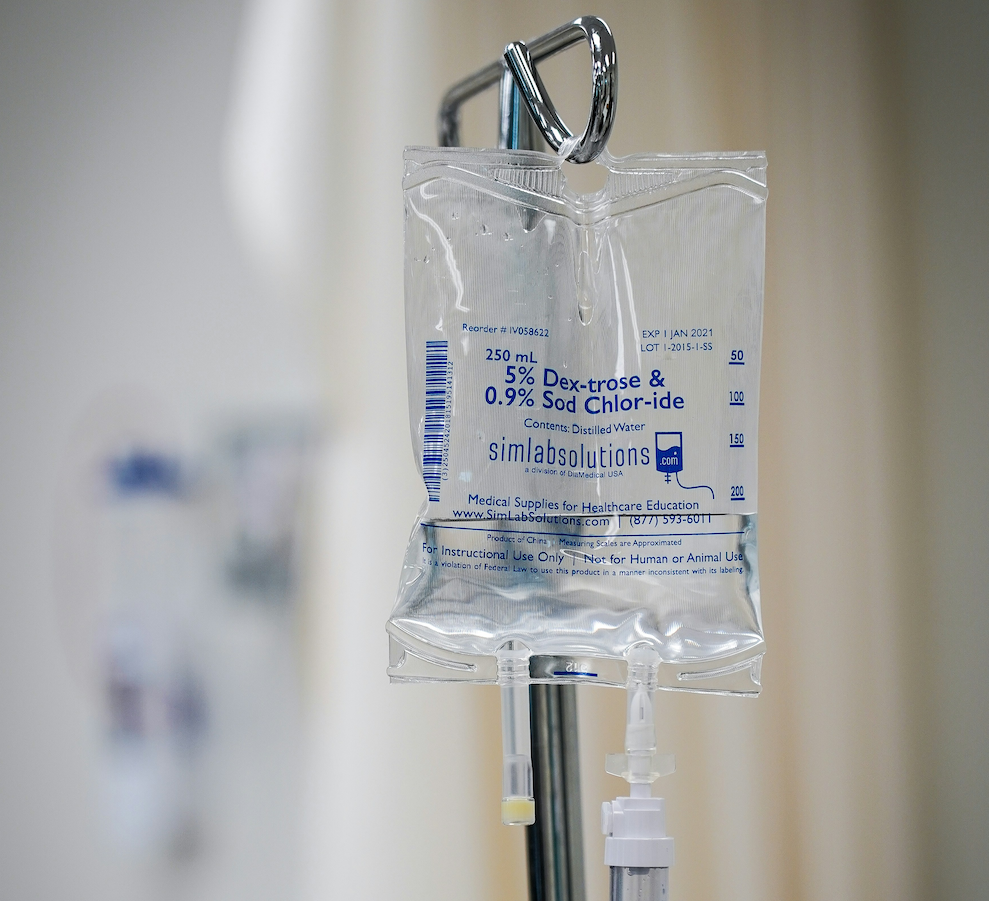
NAD+ IV therapy delivers NAD+ through an intravenous infusion.
People’s experiences vary, but many describe the session as:
- Calm and steady
- Sometimes “noticeable” in the body (warmth, chest/abdomen sensations, mild nausea, or a “wired” feeling)
Because of that, we typically:
- Start conservatively
- Adjust the drip rate for comfort
- Personalize the plan based on your sensitivity (which can be higher post-concussion)
Potential ways NAD+ IV may support post-concussion recovery
Everyone’s concussion is different. When NAD+ IV is used in an integrative setting, the goals are often to support:
- Brain energy and stamina (less “crash” after mental effort)
- Focus and clarity (when brain fog is prominent)
- Resilience to stress (when the nervous system feels stuck in overdrive)
- Overall recovery capacity (as part of a larger plan)
Some people also explore NAD+ IV for other concerns beyond concussion—such as fatigue, burnout, cognitive performance, and general metabolic support—depending on their health history.
What NAD+ IV can’t replace
If you’re recovering from a concussion, NAD+ IV should not replace the fundamentals, including:
- A proper assessment (especially if symptoms are changing)
- A graded return-to-learn / return-to-work / return-to-sport plan
- Sleep support and circadian rhythm repair
- Nutrition and hydration strategies
- Neck assessment and treatment when whiplash is part of the injury
- Vestibular or vision rehab when indicated
In other words: NAD+ IV is best viewed as one supportive tool, not the whole toolbox.
A “whole-person” concussion plan at Northshore Naturopathic
Our approach is grounded in the naturopathic principle of treating the whole person. Depending on your case, your plan may include:
- Symptom pattern mapping (what triggers you: screens, exertion, stress, light, neck strain)
- Nervous system regulation strategies (breathing, pacing, gentle movement)
- Nutrition for brain repair (protein, omega-3s, blood sugar stability)
- Targeted supplements when appropriate
- Sleep support
- Therapies that may fit your presentation (which can include NAD+ IV, and/or other supportive modalities)
Who should be cautious (or avoid) NAD+ IV therapy
NAD+ IV therapy isn’t for everyone. It’s important to review your health history, medications, and goals with a qualified clinician.
You should discuss extra caution if you:
- Are pregnant or breastfeeding
- Have complex chronic illness or are medically fragile
- Have a history of significant medication reactions
- Have symptoms that could indicate a more serious neurological issue
When to seek urgent care
Seek urgent medical attention if you have concussion symptoms plus:
- Worsening severe headache
- Repeated vomiting
- New weakness, numbness, slurred speech, or confusion
- Seizure
- Loss of consciousness
Next step: let’s build a recovery plan that fits your brain
If you’re dealing with lingering post-concussion symptoms—or you want to explore whether NAD+ IV therapy makes sense for your situation—our team at Northshore Naturopathic can help.
- Book a concussion-focused visit to review your symptoms and recovery timeline
- We’ll discuss options, including foundational strategies and supportive therapies like NAD+ IV when appropriate


