
Allergies are caused by your immune system overreacting to a substance that is otherwise harmless. As your body goes on the defence, it will attack these substances, whether it’s pollen, mould or a specific food type. As a large number of people suffer from mild to severe allergies, here are the eight most common allergy types.
Pollen
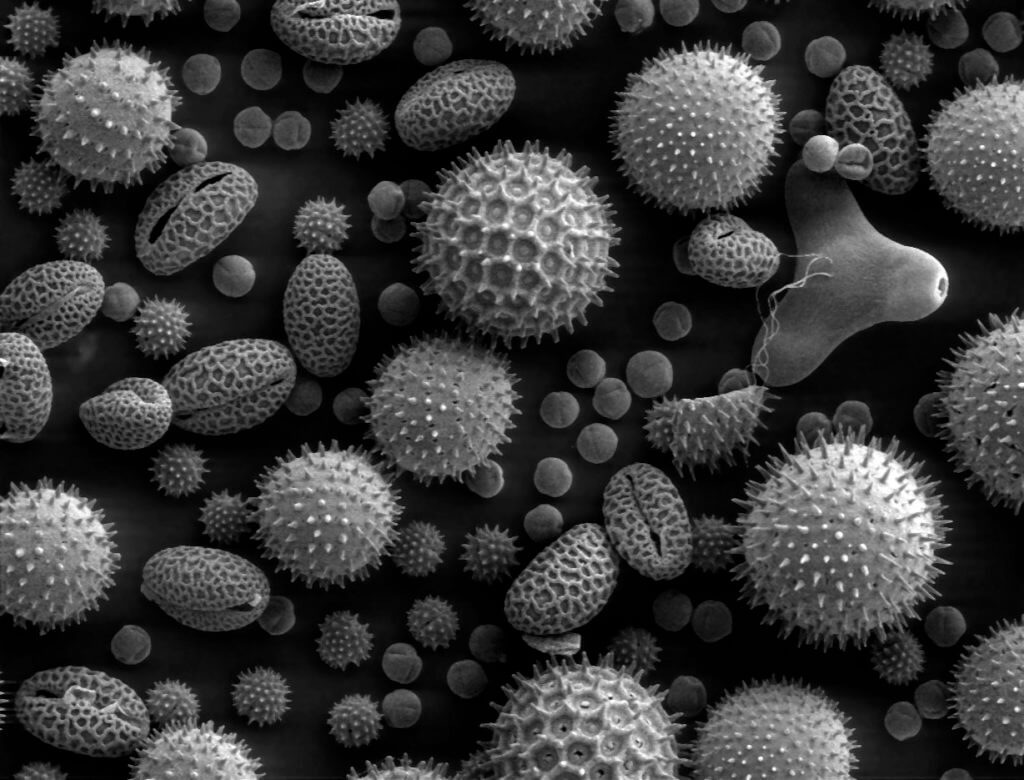
Coming from sources such as grass, trees and weeds, pollen can trigger hay fever or seasonal allergies. It may cause sneezing, watery and/or itchy eyes, runny nose or stuffy nose and can be treated with over the counter medications, prescriptions or allergy shots in severe cases. To prevent an allergic reaction, stay indoors when there’s lots of pollen in the air, keep the windows closed and the air conditioner running.
Pet Dander
If you’re allergic to your pet, you’ll find that you react negatively to the proteins in their oil glands or saliva. It can take up to two years for allergies to start appearing. However, you don’t have to get rid of your pet. Just make sure there are pet-free zones in your home, you have bare floors instead of carpeting and you bathe them regularly. Regular allergy shots can help as well.
Dust Mites
These tiny bugs can cause a big problem. They’re often found in bedding, mattresses, carpeting, curtains and upholstered furniture, and feed on dead skin cells, pollen, fungi and bacteria. They love high humidity, so to prevent this from affecting you, use hypoallergenic pillows, mattress covers and wash your sheets in hot water.
Insect Stings
Bug bites can cause swelling, redness, fatigue, low fever and/or nausea. Larger stings can potentially cause a life-threatening reaction, throwing you into anaphylactic shock. To prevent severe reactions from occurring, your doctor might recommend taking an allergy shot.
Mould
Mould only needs a bit of moisture to sprout, so damp areas like the basement or bathroom are perfect places for it to grow. Breathing in mould spores can trigger an allergic reaction, so be sure to get rid of any mould growth before it causes serious health problems.
Food
Among the most common allergies to food include nuts, eggs, shellfish, wheat, soy and milk. Eating something you’re allergic to can affect you within minutes, preventing you from breathing properly, producing hives, vomiting, swelling around the mouth or diarrhea. For severe allergic reactions, used prescribed allergy medication or call 911.
Latex
A common material used in disposable gloves, medical devices and condoms, a latex allergy can trigger a variety of reactions, from itchy skin to trouble breathing. Other symptoms may include the development of a rash or hives, a runny or itchy nose, eye irritation, sneezing or wheezing.
Medication
Allergic reactions to penicillin, aspirin and other drugs can include hives, stuffiness, itchy eyes, or swelling in the face, mouth and throat. Talk to your doctor about other medication options if you’ve had an allergic reaction to something prescribed in the past.
If you’re looking for a naturopathic doctor in Vancouver, BC, then look no further than Northshore Naturopathic Clinic. We provide services that include food sensitivity testing, naturopathic ADHD treatment, IV therapy and more. Call us or visit our website to book your next appointment.